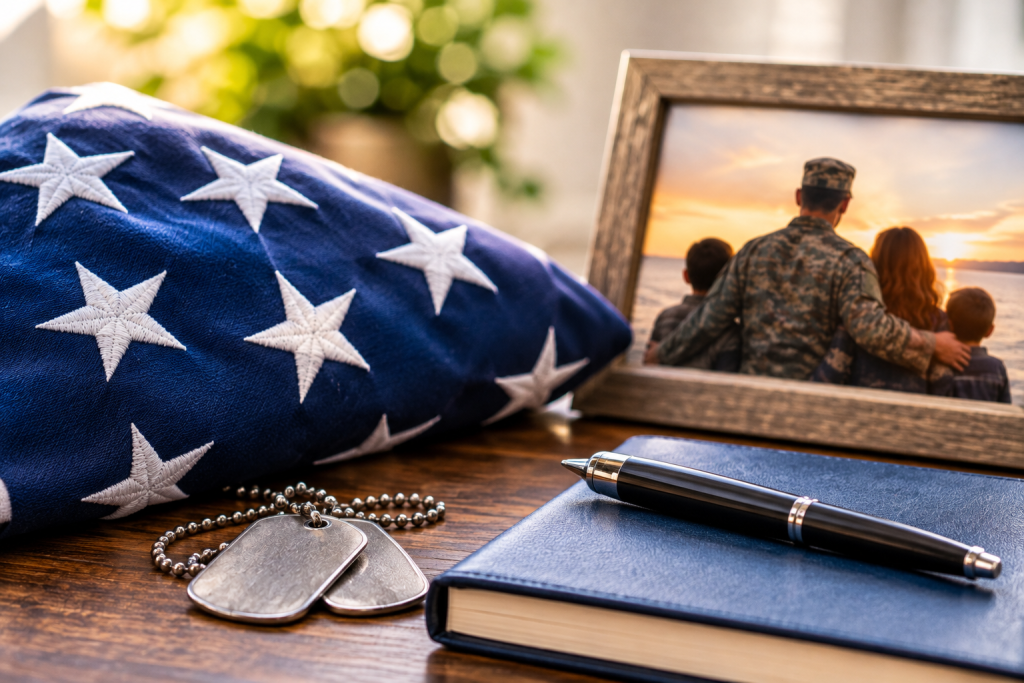
Every Veterans Day, we take time to recognize the men and women who have served our country. We thank them for their courage, their sacrifices, and the time they have spent away from the people they love.
But Veterans Day is also a good opportunity to think about how we can take care of the people who have spent so much of their lives taking care of others.
For veterans and military families, that care can take many forms. It may mean helping a parent understand their benefits, making sure a spouse has the legal authority to help during an emergency, or simply sitting down together to talk about what the future might look like.
Estate Planning is one way we can help veterans and their families prepare for what comes next.
Whether someone is actively serving, recently retired, or has been out of the military for decades, having the right documents and information in place can make an enormous difference for the people who love them.
And for families living in Florida, there are some important things worth understanding.
1. Taking Care of the Person Who Has Always Taken Care of Everyone Else
Veterans are often accustomed to being the ones others depend on.
They may have spent years making difficult decisions, managing responsibilities, and putting their families’ needs ahead of their own.
But what happens when they are the ones who need help?
Imagine a veteran who has always managed the household finances. If an illness or injury suddenly makes it difficult for that person to handle banking, bills, or other important matters, does someone in the family have the legal authority to step in?
This is where incapacity planning becomes so important.
In Florida, a Durable Power of Attorney allows a person to authorize someone they trust to handle specified financial and legal matters. Depending on the document, that may include managing bank accounts, paying bills, communicating with financial institutions, or handling property-related transactions.
A Health Care Surrogate designation serves a different purpose. It allows a person to name someone who can make healthcare decisions when the person cannot make those decisions independently, subject to Florida law and the terms of the designation.
A Living Will can also provide instructions about certain end-of-life medical decisions.
These documents are not just for older adults. They can be important for anyone who wants to make sure the right person can help if an emergency occurs.
For veterans who have adult children living in different states, or spouses who may be managing their own health concerns, choosing the right decision-makers deserves careful thought.
The goal is simple: Make it easier for someone you trust to help you when you need them.
2. A Will or Trust: Making Sure Your Wishes Are Understood
Many veterans spend years carefully planning their careers, finances, and retirement.
But one area that sometimes gets overlooked is what will happen to their property and belongings after they pass away.
A Will allows a person to identify who should receive certain assets, nominate a Personal Representative to administer their Estate, and make other important decisions.
However, having a Will does not necessarily mean the family can avoid Probate.
Probate is the court-supervised process that may be required to administer a person’s Estate, address valid creditor claims, and distribute assets to the appropriate beneficiaries.
For some families, a revocable living Trust may be a useful planning tool.
A properly created and funded Trust can provide instructions for managing assets during incapacity and distributing them after death. Assets appropriately titled in the Trust may also avoid Probate.
But not everyone needs a Trust.
For example, a veteran whose assets primarily consist of accounts with valid beneficiary designations may have different planning needs from someone who owns several properties, has children from a previous marriage, or wants to provide for a family member with special needs.
Estate Planning should be based on the person’s actual circumstances, not simply on which documents are most popular.
And when a veteran has moved between states during military service or retirement, it’s particularly important to review whether existing documents still work as intended under Florida law.
3. Military Benefits and Beneficiary Designations: An Important Part of the Conversation
One of the most common Estate Planning misunderstandings is assuming that a Will controls everything a person owns.
It doesn’t.
Many financial accounts and insurance policies pass according to their beneficiary designations, regardless of what a Will says.
For veterans and military families, this may include:
Thrift Savings Plan accounts
Servicemembers’ Group Life Insurance or Veterans’ Group Life Insurance, when applicable
Other life insurance policies
Retirement accounts
Certain military or federal survivor benefits
These programs have their own rules, and not all benefits operate the same way.
Consider someone who completed their Estate Planning years ago, then remarried, had another child, or experienced a divorce.
If their beneficiary designations were never reviewed, the people named on those accounts might no longer reflect their current wishes.
That can create a very difficult situation for surviving family members.
Military retirement and survivor benefits also deserve special attention. Programs such as the Survivor Benefit Plan have specific rules regarding eligibility, elections, and coverage.
A Will or Trust cannot simply override those federal program requirements.
This is why reviewing beneficiary designations should be part of a complete Estate Planning conversation.
It is not enough to sign documents and assume everything else is taken care of.
4. Protecting a Spouse, Children, and Other Loved Ones
Military families often experience circumstances that other families may not.
Frequent relocations, deployments, long periods apart, and family members living in different states can all affect how a family plans for the future.
Parents with minor children should think about who could care for their children if both parents were unable to do so.
In Florida, parents may nominate a guardian in their Estate Planning documents, although the court makes the final determination when a guardianship is necessary.
Families should also consider how an inheritance would be managed for a child.
Leaving a substantial amount of money directly to a young adult may not always be what the parents intended.
A Trust can sometimes provide more structure, allowing a trusted person to manage assets for a child and distribute funds according to instructions established by the parents.
Another important consideration arises when a family member receives needs-based government benefits.
An inheritance can sometimes affect eligibility for programs such as Medicaid or Supplemental Security Income. Specialized planning may be needed to avoid unintended consequences.
For veterans who have spent their lives working to provide for their families, these decisions can be an important part of continuing that care.
5. Your Florida Home May Need Special Attention
For many veterans, retirement in Florida means finally settling into a home after years of moving from place to place.
That home may be one of the family’s most valuable assets, both financially and emotionally.
But Florida has special homestead laws that can affect how a primary residence passes after death.
For example, Florida law places restrictions on certain transfers of homestead property when the owner is survived by a spouse or minor child.
The way a home is titled, whether it is owned jointly, and whether it has been transferred into a Trust can all affect the Estate Planning analysis.
This becomes especially important for blended families, where a veteran may have a current spouse and children from an earlier relationship.
A plan that appears straightforward may have unintended consequences if Florida homestead requirements are not considered.
Before changing a deed or transferring a home into a Trust, it is worth having the entire situation reviewed.
6. Helping Veterans Keep Their Important Information Organized
Estate Planning is about more than preparing legal documents.
It’s also about making sure the people who may need to help know where to begin.
Imagine a surviving spouse trying to locate military records, life insurance information, retirement accounts, and important legal documents while also grieving the loss of a loved one.
Even when the proper documents exist, finding everything can be overwhelming.
Veterans and their families may benefit from keeping an organized record of:
Estate Planning documents and the location of the originals
Military discharge records, including DD Form 214 when applicable
Information about VA benefits and relevant contacts
Life insurance policies and beneficiary information
Retirement and financial account information
Property records
Contact information for attorneys, financial advisors, and other trusted professionals
Instructions for locating important digital accounts and records
Sensitive information should be stored securely, with appropriate arrangements for authorized access.
Family members do not necessarily need every account detail today.
But knowing where important records are kept and who to contact can make a difficult time much more manageable.
7. Veterans’ Benefits and Long-Term Care Planning
Another important conversation involves what may happen if a veteran or surviving spouse needs additional care later in life.
Long-term care can be expensive, and families are often unsure where to begin when someone needs assistance at home, in assisted living, or in a nursing facility.
Some veterans and surviving spouses may qualify for certain VA benefits, depending on factors such as service history, financial circumstances, care needs, and other eligibility requirements.
For example, VA pension benefits and additional allowances such as Aid and Attendance may be relevant to some eligible individuals.
However, these programs have specific rules, and not every veteran qualifies.
Medicaid may also become part of the conversation, particularly when nursing home care or other long-term services are needed.
Because VA benefits, Medicaid, and Estate Planning involve different requirements, families should be careful about transferring assets or making financial changes without understanding the possible consequences.
The best time to learn about these options is often before a crisis occurs.
Even if no immediate action is needed, knowing what resources may be available can help a family feel more prepared.
8. Estate Planning Is Also a Family Conversation
Sometimes the most meaningful part of Estate Planning is not the paperwork.
It’s the conversation that happens because of it.
A veteran may have very clear wishes about who should handle financial matters, how family belongings should be distributed, or what medical care they would want under certain circumstances.
But if those wishes have never been discussed, loved ones may be left guessing.
Talking about these subjects does not have to be uncomfortable or overly formal.
It might begin with a simple question:
“If something happened and you needed help, who would you want us to call?”
Or:
“Do you have your important documents somewhere we could find them?”
These conversations can help families understand each other’s wishes and avoid unnecessary confusion.
And for veterans who have spent so much of their lives looking after others, they are another opportunity for family members to say, “We want to make sure you’re taken care of, too.”
This Veterans Day, Let’s Remember to Take Care of Those Who Served
Veterans Day is a time to celebrate service, courage, and sacrifice.
We attend ceremonies, share stories, thank veterans for their service, and remember the people who have contributed so much to our country.
Those traditions matter.
But perhaps we can also use this time to check in with the veterans in our own families.
Ask how they’re doing. Find out whether they need help organizing important information. Talk about their wishes. Make sure they understand the planning options and resources that may be available to them.
Taking care of our veterans means more than thanking them once a year. It means helping them feel supported, respected, and prepared for the years ahead.
At Law Office of Lori Vella, we believe Estate Planning is an act of love. It’s one way people can continue caring for their families, even when they cannot be there to do it themselves.
This Veterans Day, we extend our gratitude to everyone who has served, and to the families who have stood beside them.
Thank you for your service.
And if you or someone you love would benefit from reviewing an Estate Plan, we would be happy to help you understand your options.
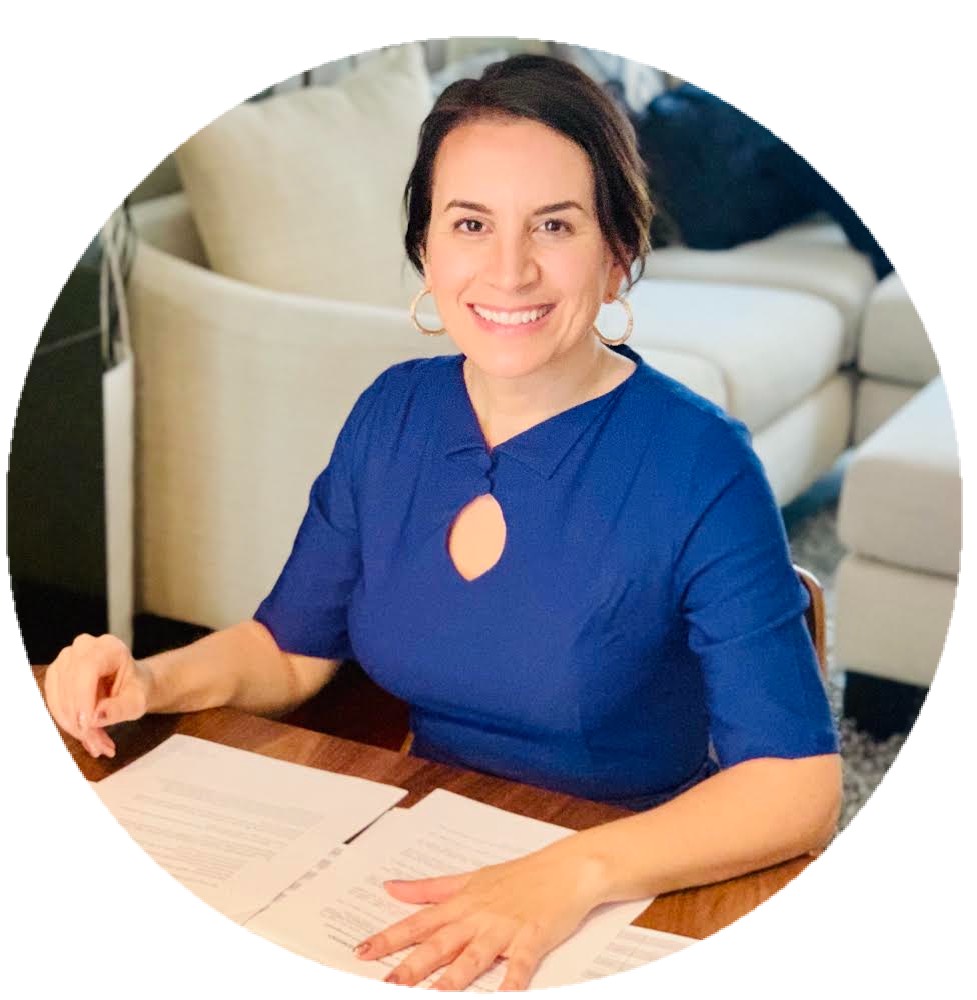
Lori Vella is an Estate Planning and Business Attorney. She works virtually throughout Florida and New York, but has her home office in Tampa, Florida. She is mom to a little boy which ignited the passion for helping other families. She and her son enjoy car rides, playgrounds and taking mini-adventures. They also have an organic garden that surprisingly yields vegetables. Lori considers herself well-versed in Seinfeld and welcomes any trivia!
Disclaimer: The Law Office of Lori Vella’s website contains general information directed to Florida residents. This firm does not intend to give legal advice through its pages and/or blog. If you need legal advice, we encourage you to find an attorney licensed in your state. This language on this website does not create an attorney-client relationship between you and this firm.